Rethinking Urban Systems.
For the People They Miss.
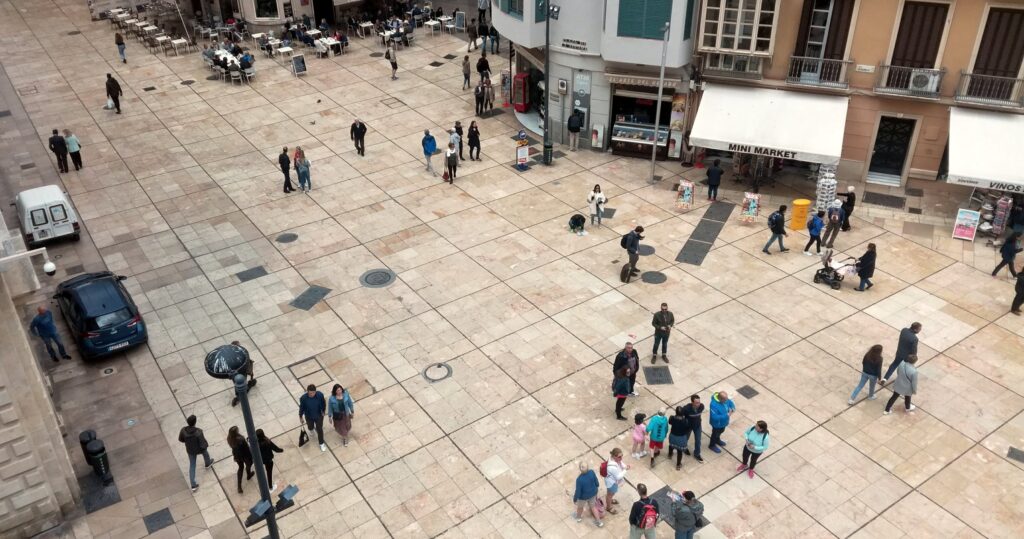
Most people are not the default user. Not always. Not even most of the time.
Cities and institutions make decisions on mobility, public space, housing and urban development every day. Many of the standards, datasets and procedures behind these decisions assume a narrow range of users: people who move quickly, make decisions with confidence, find their way independently and use digital services with ease.
Everyday urban life looks different. People are ageing, caring for others, living with disabilities, working irregular hours or travelling with children. Some need more time, clearer information or other ways to get around and take part. They are part of everyday urban life, yet they are rarely the starting point for plans, standards or institutional decisions.
We help cities and institutions find out whom their plans and policies work for, whom they leave out, and what needs to change.
Approach
Every plan, standard, dataset and procedure assumes a particular user. This assumption is rarely written down, so it is rarely discussed. Our work starts by making it explicit.
Standards and planning
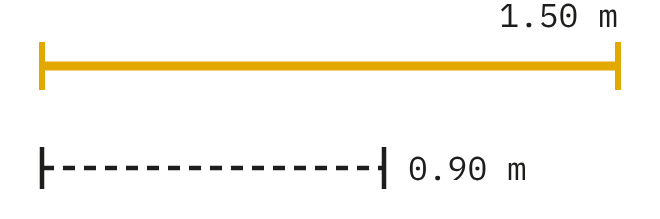
Whom a standard, plan or design serves, and who falls outside its assumptions.
Data and evidence
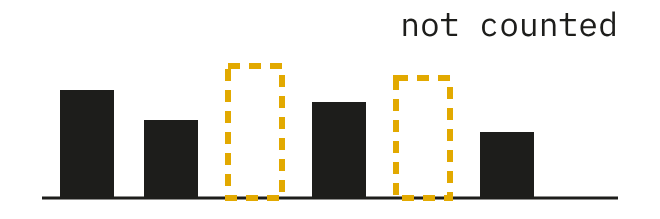
Whose experiences the figures represent, whose they omit, and what evidence is missing.
Participation
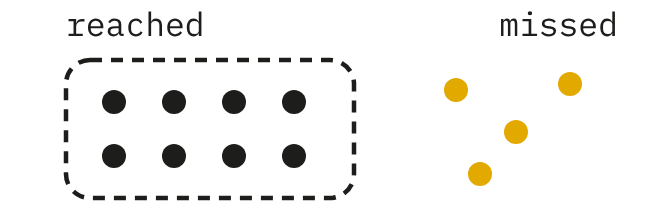
Whom a process reaches and whose perspectives it leaves out.
Governance
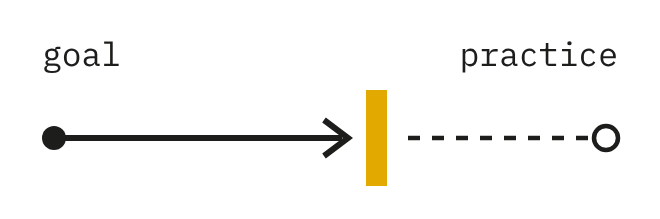
Where responsibilities, incentives or procedures stop stated goals from becoming practice.
Our position
We take sides for visibility, not for predetermined outcomes. Different groups can have competing needs, and cities have to make choices. We show whose needs are prioritised, whose are overlooked, and what the consequences are.
Fields of work
Urban development and public space
- Social, distributional and gender impact assessments of plans, designs and competition entries
- Socio-spatial analyses of neighbourhoods and public spaces
- Social vulnerability assessments for climate adaptation and heat action plans
- Accessibility and social inclusion action plans for municipalities
- Guidelines and criteria for gender-sensitive and socially responsive planning
Mobility and transport
- Accessibility plans for public transport and public space, from user input to prioritised measures and costs
- Accessibility and social inclusion in mobility strategies and plans, including SUMPs and public transport plans
- Integration of social and accessibility perspectives into walking and cycling strategies and network planning
- Transport poverty and affordability analyses
- Reach and effects of mobility measures such as fares, shared and on-demand services
Policy, programmes and institutional change
- Gender and social inclusion (GESI) assessments of urban and transport programmes
- Policy reviews and reform roadmaps, particularly on accessibility and inclusive mobility
- Institutional analyses of implementation barriers, including responsibilities, procedures and incentives
- Social and gender perspectives in feasibility studies and programme evaluations
Services
We combine strategic advice, applied research and engagement with people and institutions.

Strategic advice and implementation support
We advise cities, public authorities, ministries, development programmes and planning teams on policies, strategies, standards and institutional change. Our work includes policy reviews, strategic recommendations, implementation roadmaps, technical assistance, expert missions and support in translating recommendations into practice.
Research and assessment
We conduct applied research, impact assessments and evaluations to understand how plans, policies and measures work in practice, who benefits and where gaps remain.
Engagement and knowledge exchange
We design and facilitate participation processes that reach people often missed by conventional formats. We also develop trainings, study visits, masterclasses and peer-learning formats for public administrations and professionals, and contribute to university teaching and professional events.
Who we work with
- Cities, municipalities and public administrations
- Ministries and national agencies
- International organisations and development cooperation programmes
- Transport authorities and public transport operators
- Urban and transport planning consultancies
- Research institutions and universities
We work directly with clients and contribute specialist expertise to larger multidisciplinary teams and international consortia.
Featured projects
2025–2027
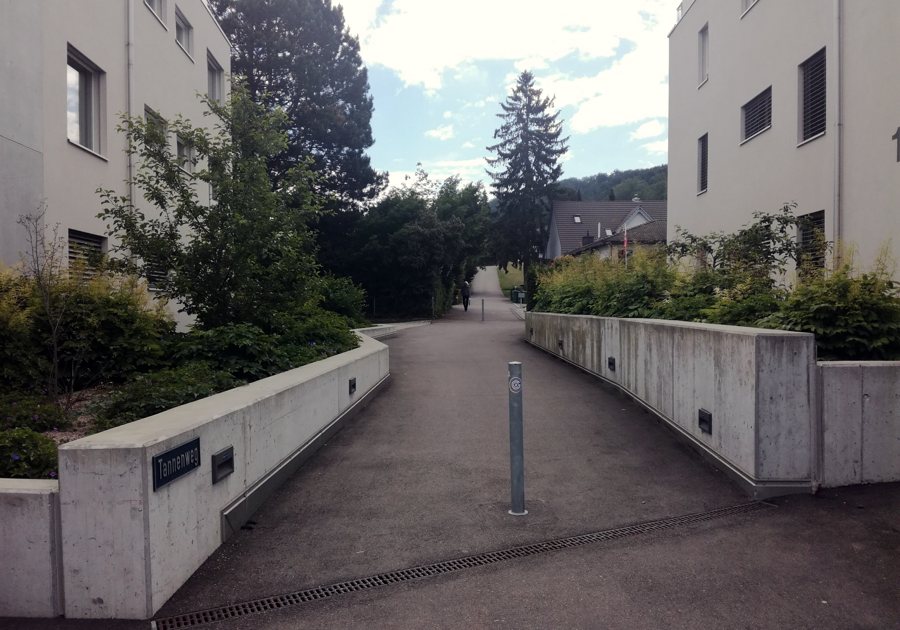
Mobility of persons with disabilities in France: diagnosis and reform scenarios
Diagnosis, European comparison, reform scenarios and roadmap for the mobility of people with disabilities, from national to local level, including the overseas territories.
Client: European Commission, DG REFORM (Technical Support Instrument) · Implemented by: Expertise France for the Directorate-General for Social Cohesion · Role: lead of the mobility and transport component
2025–2027
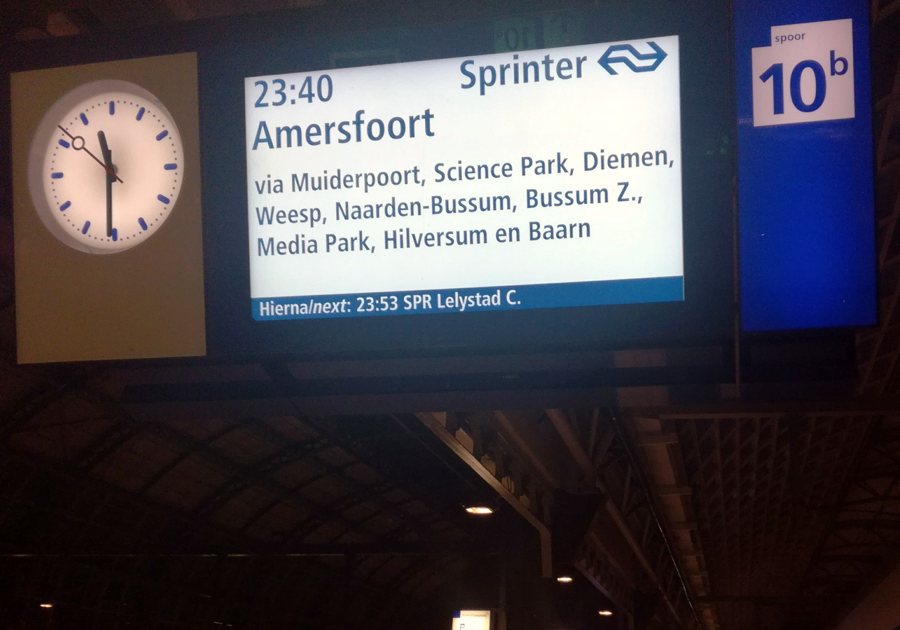
Governance toolkit for cognitive accessibility at transport hubs
A toolkit comprising four modules – governance mapping, representation checks, participation guidance and indicators – to help cities and transport operators address cognitive accessibility in mobility planning and strengthen coordination across organisations.
Selection: Driving Urban Transitions (DUT), Urban Doers Community #2 · Role: initiator, project lead
2025
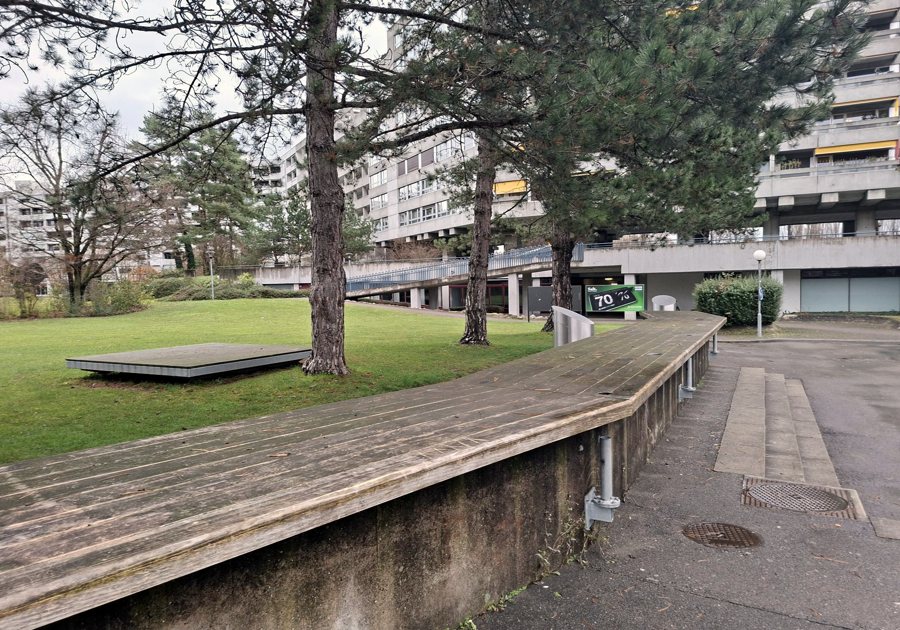
Gender assessment of the preliminary design of Quartierpark Grünau, Zurich
Assessment for a neighbourhood that carries a high share of the city’s infrastructure burdens.
Client: City of Zurich, Grün Stadt Zürich · Partner: Regina Steiner, landscape architect · Role: project lead
2026
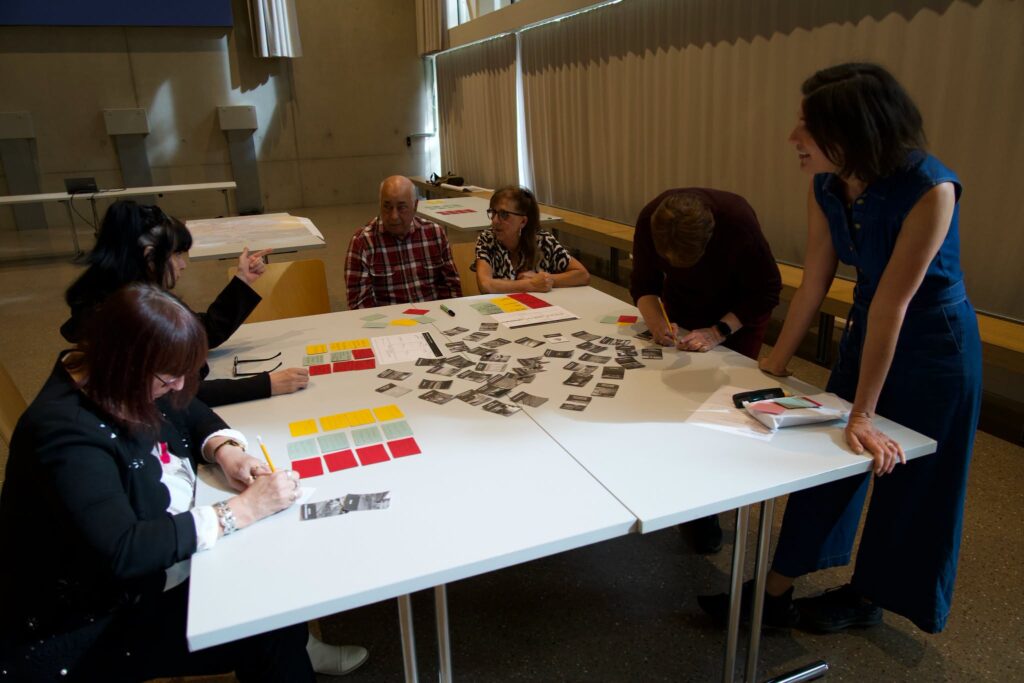
Invisible mobilities, Differdange (Luxembourg)
Two workshops with older people and people with reduced mobility for the municipal mobility plan, tracing each obstacle from the activity it affects to its consequence.
Client: City of Differdange, Mission Net Zero Differdange 2030 (NetZeroCities) · Role: concept, facilitation, results report
2026
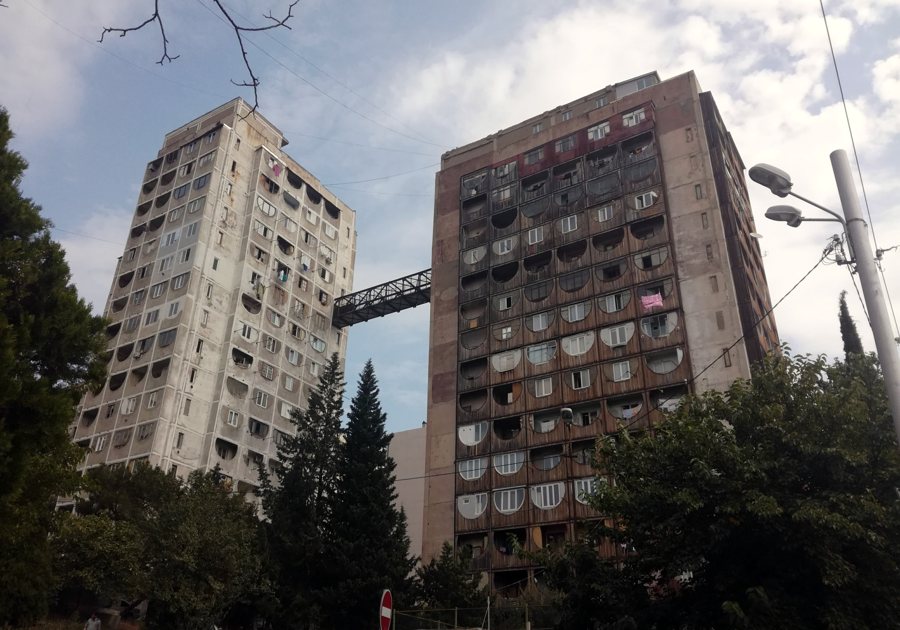
Gender potential of urban projects in German development cooperation
Analysis of 1,164 urban projects against gender and inclusion criteria; concept for the GIZ Gender & Cities Competition.
Client: GIZ Sector Project Cities, on behalf of BMZ · Role: project leader
2026–2027
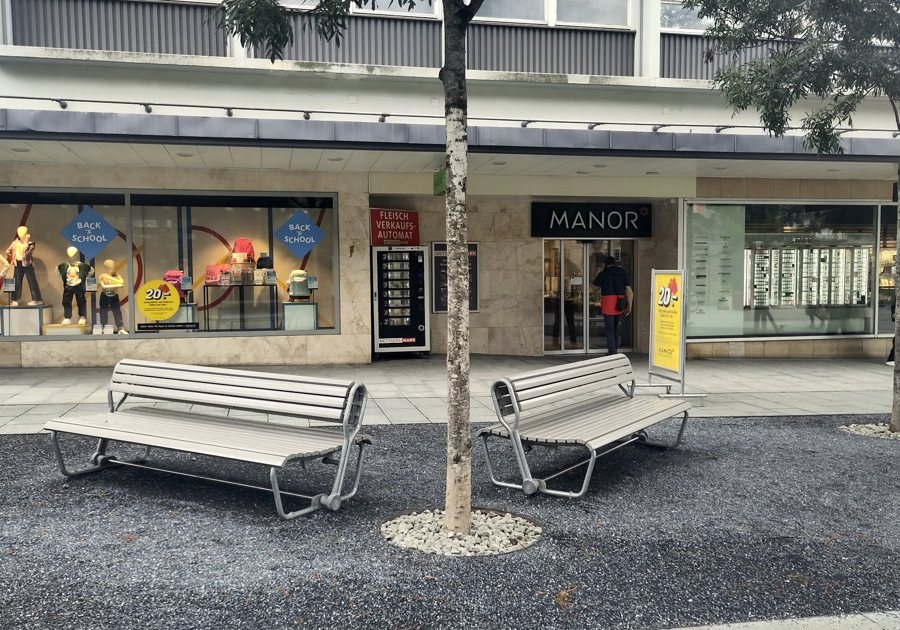
rAvenue: effects of traffic calming on the local economy in Austrian small and medium-sized towns
Study of how traffic calming affects footfall, turnover and vacancy in town centres, with a policy brief for decision-makers.
Funding: FFG, Zero Emission Mobility Plus · Lead: tbw research · Role: Dutch reference cases, international comparison, policy brief

2024–2025
Women in the cooling sector
Barriers for women in a male-dominated technical sector in Bangladesh, Kenya and Colombia, with recommendations for action.
Client: GIZ Proklima, Green Cooling Initiative III · Role: author
2023
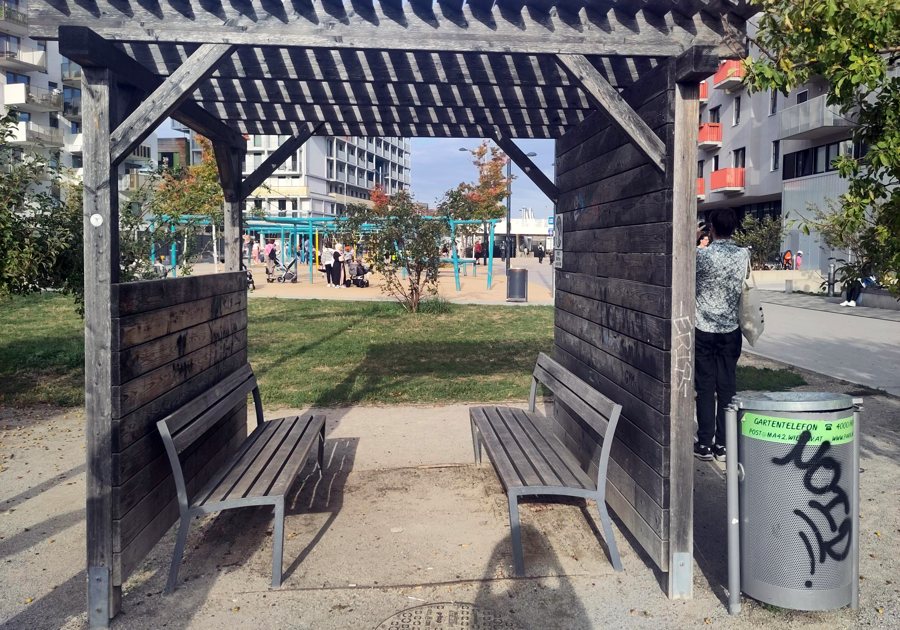
Gender-sensitive participation for urban climate: older people and heat
A participatory game and small-group format with older people for municipal climate adaptation in Aarau, Chur, Langenthal and Köniz.
Client: Swiss Federal Office for Spatial Development and the four municipalities · Role: project lead (through the association Lares)
Further projects
2025 · Sustainable urban development pathway for master planning, Uzbekistan
Client: Expertise France, Green Economy Technical Assistance Programme, financed by AFD · Role: expert, green building and urbanisation
2025 · URBACT Gender Equal Cities curriculum, Module 3: data
Client: URBACT · Role: author
2024 · Road safety training for the İzmir Sustainable Urban Mobility Plan
Client: EU support to the İzmir SUMP · Consortium: MuConsult–Panteia · Role: trainer
2024 · ACTIVE trainings on safe cycling infrastructure and intermodality, Santiago de Chile and Curitiba
Client: Dutch Ministry of Infrastructure and Water Management · Partners: Dutch Cycling Embassy, Goudappel · Role: lead (Santiago), expert and speaker (Curitiba)
2023 · Exploratory walk for the municipal action plan, Magliaso (Ticino)
Client: Comune di Magliaso · Role: concept, facilitation, report (through the association Lares)
Talks and contributions
2026 · Three voices, one bicycle: language and power in Dutch cycling policy
Radlobby Österreich, autumn conference (AT)
2026 · Making climate justice visible in spatial planning
International Conference on Social Work and Urban Development, Basel/Muttenz (CH)
2026 · Rethinking signalised intersections for cycling and other sustainable modes (workshop)
Velo-city 2026, Rimini (IT)
Publications
Schimmel, E. & Kager, R.: Velo und öffentlicher Verkehr in synergetischer Partnerschaft. Info Bulletin, Velokonferenz Schweiz, 2025.
Schimmel, E.: Females for Future: Women in the Cooling Sector. Challenges and Recommendations for Action. GIZ Proklima, 2025.
Schimmel, E.: Integrating Gender Perspectives: Data in Urban Development. URBACT Gender Equal Cities curriculum, Module 3, 2025.
Who we are
We are an independent urban advisory practice based in Arnhem, working with clients and partners across Europe and beyond.
We bring together expertise in mobility and spatial planning, urban development, anthropology, spatial and transport economics, and international development. This lets us look at cities from two sides: the institutions that shape them and the people who live with them.
Having lived and worked in different countries, we know different governance systems, planning cultures and institutions first-hand.
Our working languages are Dutch, English, French, German and Spanish.

Get in touch
Are your plans and policies reaching the people they are meant for? Or are you not sure yet whether that is the problem?
Whether you are developing a strategy, reviewing a policy, planning infrastructure or facing challenges in implementation, we are happy to talk it through.